



What Is Expanded Metal?
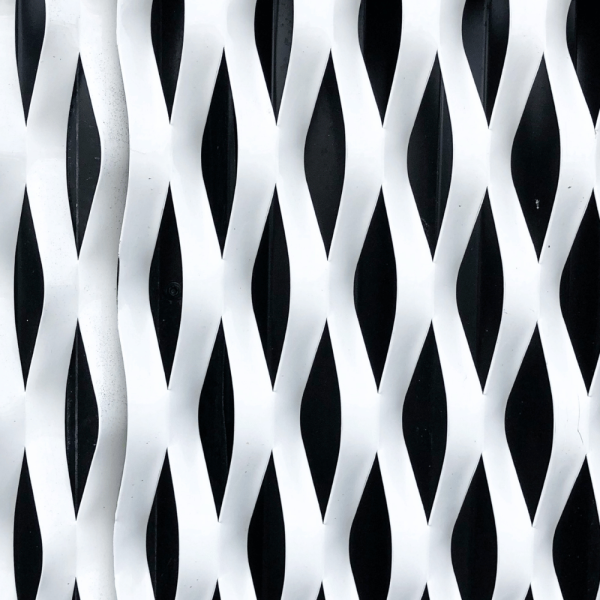
Expanded metal is a durable and lightweight material created by transforming a single metal sheet into a regular mesh pattern through specialized cutting and stretching processes. This manufacturing method creates an aesthetically open surface while maintaining the integrity of the sheet. Its structure, which requires no welding or additional components, provides high strength and long-lasting performance.
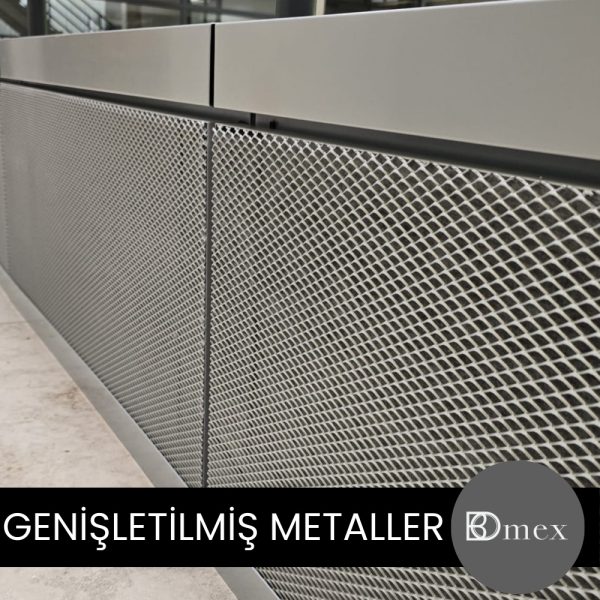
Expanded metal systems offer both functional and decorative solutions in modern architecture. While allowing light, air, and sound to pass through, they can create an opaque or transparent appearance depending on the orientation of the surface. This feature provides a distinctive architectural expression in facade cladding, ceiling systems, and interior design applications.
Advantages of Expanded Metal
Expanded metals offer versatile advantages in terms of aesthetics, durability, and sustainability:
- High strength-to-weight ratio
- Natural ventilation and light transmission
- Long-lasting, corrosion-resistant structure
- Low maintenance requirements
- Recyclable and environmentally friendly production
- Wide range of options suitable for interior and exterior applications
Thanks to these features, expanded metal is frequently preferred for both new construction projects and facade renovation applications.
Applications of Expanded Metal
Expanded metal systems can be applied at different scales in architectural projects:
- Facade cladding and secondary facade systems: Improve energy efficiency by serving as shading elements, sun breakers, and ventilated facade components.
- Ceiling systems: Provide acoustic comfort, air permeability, and an aesthetic appearance.
- Shading and privacy panels: Control light and give spaces a semi-transparent character.
- Walkways, stairs, and safety grilles: Offer lightweight yet durable surface solutions.
- Furniture, signage panels, and artistic applications: Create a modern and technical aesthetic.
Production and Design Options
Expanded metals can be manufactured from various metals such as aluminum, steel, stainless steel, or copper. They are supplied in sheet or coil form. Parameters such as mesh opening width, thickness, open area ratio, and surface pattern are determined according to the design and technical requirements of the project.
Different surface finishing options, such as electrostatic powder coating, anodizing, or galvanizing, can be applied. This enhances both the aesthetic appearance and resistance to external factors.
Sustainability and Performance
Since expanded metal is manufactured by processing a single sheet, material waste is minimized. This makes it an environmentally friendly and sustainable architectural material.
Thanks to its open structure, it contributes to energy efficiency by providing natural ventilation, daylight transmission, and shading. Its long service life and low maintenance requirements help reduce the life cycle costs of buildings.
Expanded metal systems combine functionality and aesthetics in architecture, giving buildings a contemporary identity. Offering a wide range of applications from facades to ceilings, interior panels to exterior surface applications, these systems have become an essential part of modern design.