


Knitted Mesh Panels
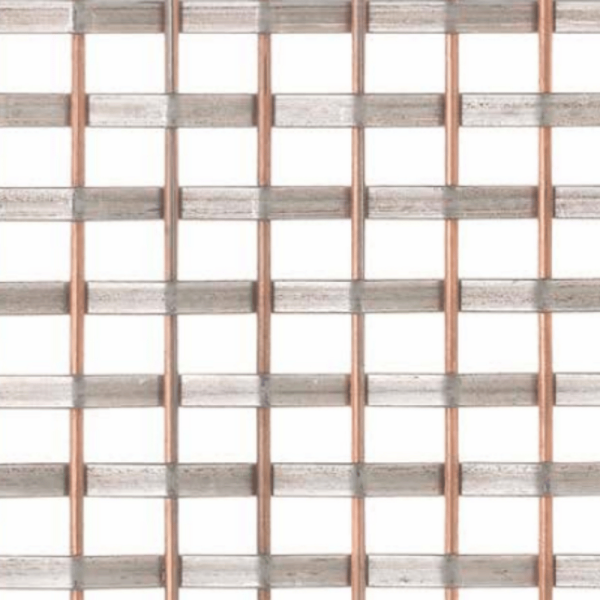
Knitted mesh panels are surface systems with high structural and aesthetic value, obtained by interweaving metal wires in a specific pattern. In contemporary architecture, permeability, light direction, and textural diversity have become important design elements that shape the character of a space.
Woven mesh panels combine the elegance of metal with technical robustness. Thanks to the variety of wire thicknesses, weave types, and surface treatments, each project acquires its own unique identity.
Technical Structure and Features
Metal wires touched under a certain tension give woven mesh panels both flexibility and durability. This dual quality enables the material to be used safely in architectural and industrial applications.
- Precise clearance ratios create a balanced rhythm across the surface.
- High tensile strength reinforces structural integrity.
- Corrosion resistance ensures long-lasting performance.
- Thermal stability provides stable use even in varying climatic conditions.
Material Options
The identity of the project is directly related to the character of the selected metal. Woven mesh panels can be produced with different metals, each possessing its own unique technical and visual qualities:
- Stainless Steel: Offers a modern and refined look with its shiny surface; resistant to moisture and chemicals.
- Aluminum: Its lightweight structure allows for easy shaping and installation on large surfaces.
- Copper and Brass: Creates an elegant, timeless aesthetic atmosphere in interiors with its warm color tones.
- Galvanized Steel: Strengthens surface protection as an economical solution.
Surface treatments such as polishing, patination, anodizing, or powder coating transform the texture of the panel; they deepen its relationship with light.
Areas of Use
Knitted mesh panels are used to create versatile solutions from both a technical and aesthetic perspective. The material’s permeable structure defines the space while also giving it a lightness and breathable quality.
- Facade Cladding: Adds rhythm and depth to the facade by filtering daylight.
- Ceiling Systems: Enhances acoustic performance while creating a cohesive look.
- Interior Partitions: Defines permeable yet distinct boundaries between spaces.
- Stair Railings & Elevator Shafts: Integrates safety with an aesthetic language.
- Industrial Filtration: Supports efficiency in production processes.
Advantages of Knitted Mesh Panels
- Long Life: Exhibits high resistance to wear, heat, and chemicals.
- Design Flexibility: Unique textures are achieved with different weave patterns.
- Sustainability: Its recyclable metal structure offers an environmentally conscious solution.
- Easy Application: Can be easily used on different surfaces with tensioning, hanging, or embedding methods.
- Low Maintenance: Its dust-resistant structure maintains a clean and tidy appearance for a long time.
Installation and Application
The conditions of the surface where the panel will be applied determine the installation method.
- Suspension systems allow for wall and ceiling integration.
- Flush mounting creates an integrated effect with the surface.
- Tension systems provide structural stability in wide spans.
In every application, the panel’s textural character and interaction with light are preserved, adding movement and depth to the space.