


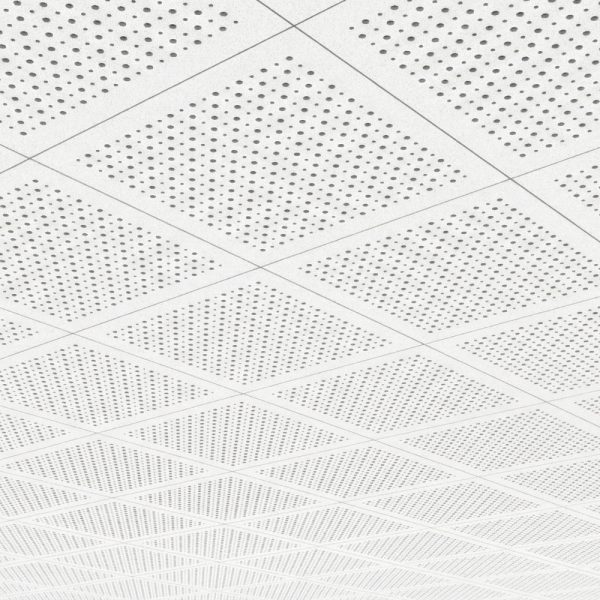
What Is Perforated Metal?
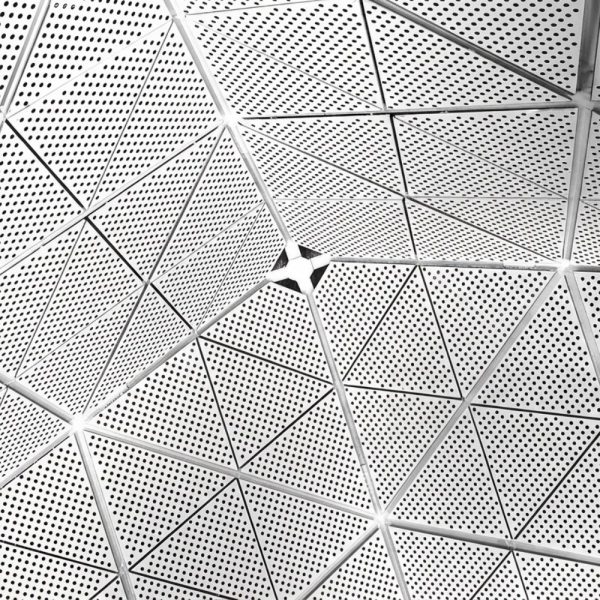
Perforated metal stands out in contemporary architecture as both a functional and aesthetic layer. Holes arranged in specific patterns across the surface of a metal sheet provide the material with permeability, rhythm, and depth. This manufacturing technique is applied with high precision using CNC, laser, or press systems, bringing together the technical requirements and aesthetic expectations of the design.
Perforated surfaces manufactured using different metals such as aluminum, stainless steel, galvanized steel, or brass are a strong component of sustainable architecture thanks to their long-lasting, durable, and recyclable structure.
Applications at Architectural and Urban Scales
Perforated metals have a wide range of applications, from architecture to industrial design, interior spaces to urban furnishings.
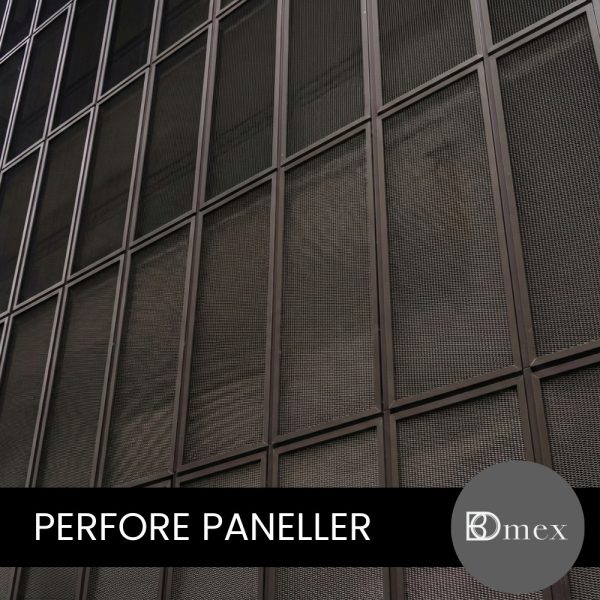
In facade applications, they serve as sun shading systems and exterior envelope elements. By filtering light, they improve energy efficiency and give the building’s mass a dynamic, semi-transparent appearance.
In interior design, they are preferred for ceiling panels, acoustic walls, and column cladding. These surfaces enhance both the acoustic and visual balance of a space.
In public and cultural buildings, they create a bridge between aesthetics and performance by providing sound control and visual permeability. In concert halls, exhibition spaces, and educational buildings, they help control reverberation and create a clear acoustic environment.
In industrial production areas, they are used for filtration, ventilation, safety grilles, and equipment protection systems.
In urban design, they offer durable, permeable, and long-lasting solutions for fences, wayfinding elements, street furniture, and facade modules.
Acoustic, Light, and Energy Performance
Perforated metal surfaces are not only an aesthetic element but also a technical component that determines spatial performance. Thanks to their perforated structure, sound waves can pass through to the absorbent layers behind the surface, reducing reverberation and improving acoustic comfort.
Light transmission allows daylight to enter interior spaces in a controlled manner in facade applications. This feature improves natural lighting efficiency while reducing the need for artificial lighting. At the same time, filtering sunlight helps balance indoor temperatures and reduce energy consumption.
Aesthetic Flexibility and Visual Impact in Design
Perforated metal offers designers virtually unlimited creative possibilities through variations in open area ratios, pattern options, and hole geometries. Different perforation patterns create rhythmic movement across the surface, while the changing interplay of light and shadow throughout the day gives the structure a vibrant identity.
With advanced manufacturing techniques, hole densities can be varied to create graphic patterns, logos, or visual imagery on the surface. This approach becomes an integral part of architectural identity, particularly in cultural buildings and corporate facades.
Durability and Sustainability Perspective
The natural strength of metal surfaces is preserved in perforated applications. Materials such as stainless steel and aluminum offer long-lasting performance in exterior conditions thanks to their high corrosion resistance.
In addition, their recyclability makes them fully compatible with environmental sustainability principles. In this respect, perforated metals contribute to the sustainable material strategies of contemporary architecture in terms of both energy and material efficiency.